10 Common Symptoms of Food Poisoning and When to Seek Help
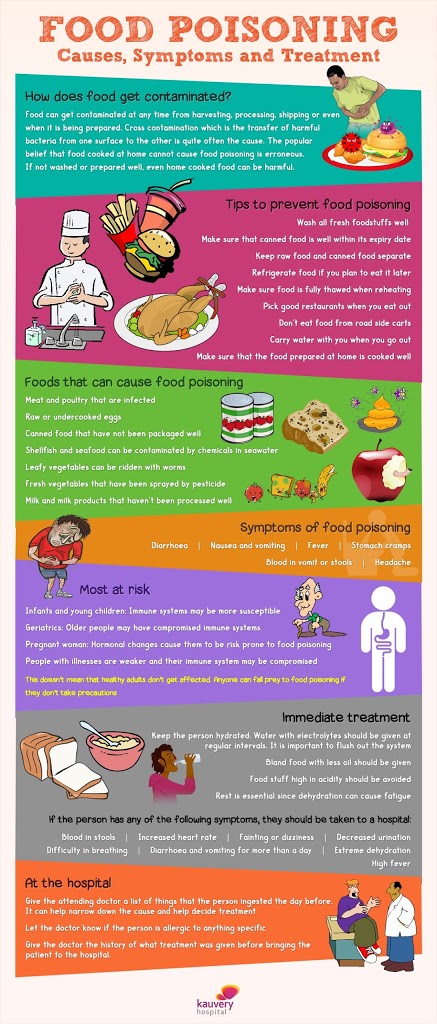
Food poisoning is a common condition that can result from consuming contaminated food or beverages. The symptoms can vary depending on the source of contamination but typically present themselves within hours to a few days after ingestion. Here are 10 common symptoms of food poisoning to watch out for:
- Nausea
- Vomiting
- Diarrhea
- Abdominal cramps
- Fever
- Headache
- Muscle aches
- Fatigue
- Loss of appetite
- Dehydration
If you experience any combination of these symptoms, it's important to monitor your condition closely. In most cases, food poisoning resolves on its own, but there are instances where seeking medical attention is crucial. When to seek help includes situations such as high fever (over 102°F), severe abdominal pain, persistent vomiting or diarrhea lasting more than three days, and signs of dehydration like dry mouth or decreased urination. Always err on the side of caution when it comes to your health.
Food Safety Tips: How to Avoid Food Poisoning at Home
Food safety is paramount to ensure the well-being of your family. One of the most effective ways to avoid food poisoning at home is to maintain a clean cooking environment. This includes regularly sanitizing kitchen surfaces and utensils, especially after preparing raw meat and seafood. Here are some essential tips to follow:
- Wash your hands with soap and water for at least 20 seconds before and after handling food.
- Use separate cutting boards for raw meats and ready-to-eat foods.
- Store food at safe temperatures (below 40°F for refrigeration).
Another critical aspect of food safety is proper food handling and cooking techniques. Always cook foods to the recommended internal temperatures to kill harmful bacteria. For instance, poultry should reach at least 165°F, while ground meats should hit 160°F. Additionally, never leave perishable foods out at room temperature for more than two hours. Consider these practices to further mitigate the risk of food poisoning:
- Marinate foods in the refrigerator instead of on the counter.
- Thaw frozen foods in the refrigerator, cold water, or the microwave, not at room temperature.
- Regularly check expiration dates on packaged foods and dispose of items that have gone bad.
What to Do If You Suspect Food Poisoning: A Step-by-Step Guide
If you suspect food poisoning, it's crucial to act quickly to mitigate the symptoms and prevent further complications. Start by assessing your symptoms; common indicators include nausea, vomiting, diarrhea, abdominal pain, and fever. If you experience any of these symptoms, take the following steps:
- Stay Hydrated: Drink plenty of fluids such as water or an oral rehydration solution to combat dehydration.
- Rest: Your body needs energy to recover, so ensure you get ample rest.
- Avoid Certain Foods: Stay away from dairy products, caffeine, alcohol, and fatty foods until you feel better.
If symptoms persist for more than 48 hours or if you encounter severe symptoms like high fever (over 101.5°F), prolonged vomiting, or bloody diarrhea, it's essential to seek medical attention immediately. Health professionals can provide appropriate care and may request a stool sample to identify the specific bacteria or virus causing the food poisoning. Meanwhile, document what you ate in the last 24 hours to help medical staff understand potential sources of contamination.