Top 10 Essential Tips for Maintaining a Crystal-Clear Aquarium
Maintaining a crystal-clear aquarium is essential for the health of your fish and the aesthetic of your home. Here are top 10 essential tips to keep your aquarium looking pristine:
- Regular Water Changes: Perform 10-15% water changes weekly to maintain optimal water quality.
- Invest in a Good Filter: A high-quality filter is crucial for keeping your water clean and free from debris.
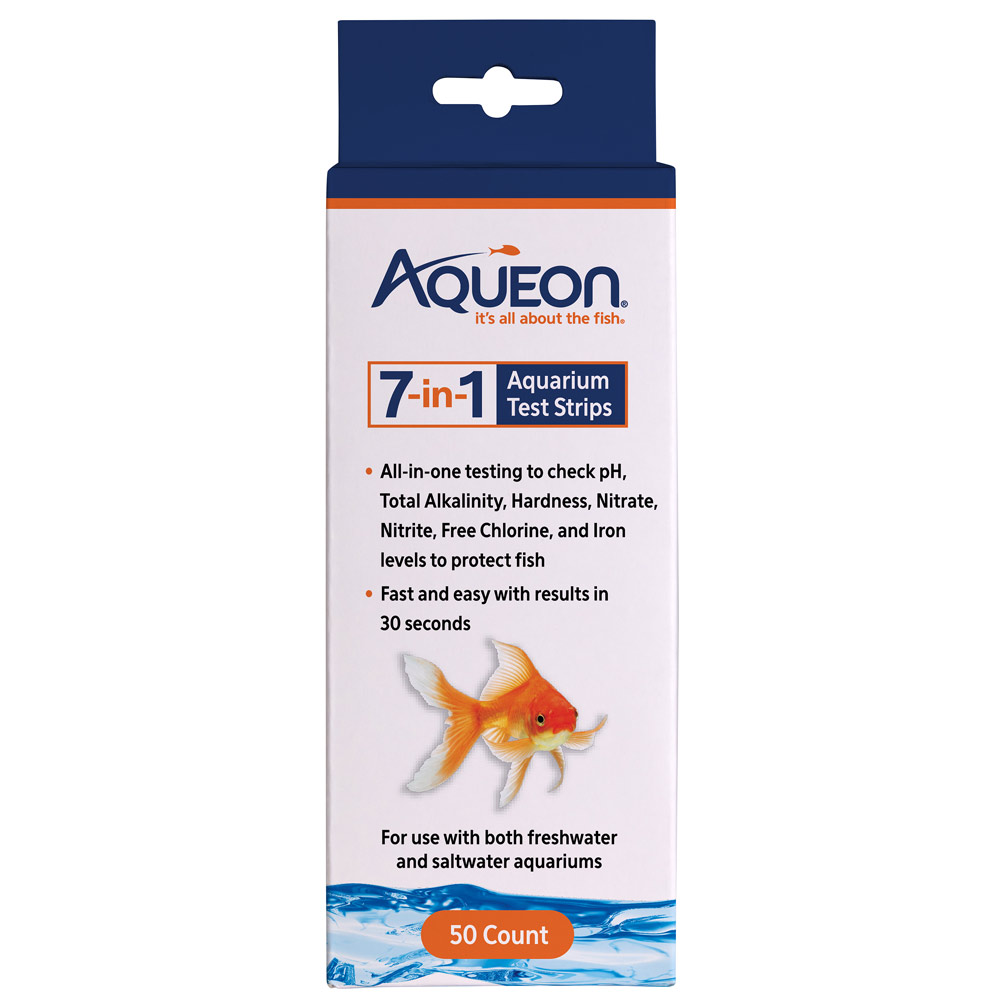
- Monitor Water Parameters: Keep an eye on pH, ammonia, nitrites, and nitrates using reliable test kits.
- Don’t Overfeed: Excess food can lead to water contamination. Feed only what your fish can consume in a few minutes.
- Keep the Tank Clean: Regularly remove algae and debris using an aquarium-safe scrubber.
- Avoid Overcrowding: Too many fish can lead to stress and poor water conditions. Ensure you have adequate space for each species.
- Use Live Plants: Live plants can help filter the water naturally, contributing to a clearer tank.
- Check Equipment Regularly: Regularly inspect your filter, heater, and lighting to ensure they are functioning properly.
- Do Not Rush the Cycle: Allow your tank to establish its nitrogen cycle before adding fish, which helps maintain water clarity.
- Consider UV Sterilizers: These devices can help eliminate harmful microorganisms, reducing cloudiness.
Following these tips will not only enhance the beauty of your aquarium but also provide a healthier environment for your aquatic pets. Remember, consistency is key in maintaining a crystal-clear aquarium. By incorporating these essential tips into your routine, you can enjoy a vibrant and thriving aquatic ecosystem.
Common Mistakes to Avoid for a Thriving Underwater Paradise
Creating a thriving underwater paradise is an exciting endeavor, but many enthusiasts make common mistakes that can hinder their progress. One major error is neglecting to conduct proper research before introducing new fish species. Understanding the compatibility of different aquatic species is essential, as some may be territorial or aggressive. Additionally, overstocking the aquarium can lead to poor water quality, stressing fish and plants alike. Always ensure that your tank is appropriate for the number of inhabitants you wish to keep. A well-planned tank is the foundation of a successful underwater ecosystem.
Another frequent mistake is overlooking the importance of water quality and regular maintenance. Neglecting to monitor parameters such as pH, ammonia, and nitrate levels can lead to an unhealthy environment for fish and plants. It is crucial to establish a consistent tank maintenance schedule, including filtration and partial water changes, to maintain optimal conditions. Lastly, avoid using chemicals or treatments without thorough knowledge, as they may disrupt the delicate balance of your aquatic paradise. By prioritizing these aspects, you will be well on your way to creating a sustainable and vibrant underwater ecosystem.
How to Choose the Perfect Plants and Fish for Your Aquarium Ecosystem
Creating a thriving aquarium ecosystem involves selecting the perfect plants and fish that complement each other. Begin by researching the specific needs and compatibility of various species. For plants, consider factors such as light requirements, growth rate, and whether they are suitable for beginners or advanced aquarists. Popular options like Java Fern, Anubias, and Amazon Sword are great for nurturing both newbie and seasoned hobbyists. When selecting fish, it's essential to choose species that share similar water temperature, pH, and tank size preferences to ensure a harmonious environment.
Once you've narrowed down your list, think about the layout of your aquarium. A well-planned arrangement not only enhances aesthetic appeal but also provides hiding spots and swimming space for your fish. Utilize an aquascaping approach that balances plants and open water areas, creating an ecosystem that mimics the natural habitats of your chosen species. Consider incorporating a mixture of floating, background, and foreground plants to provide depth. Remember, the right combination of plants and fish will foster a sustainable environment, leading to a more enjoyable aquarium experience.