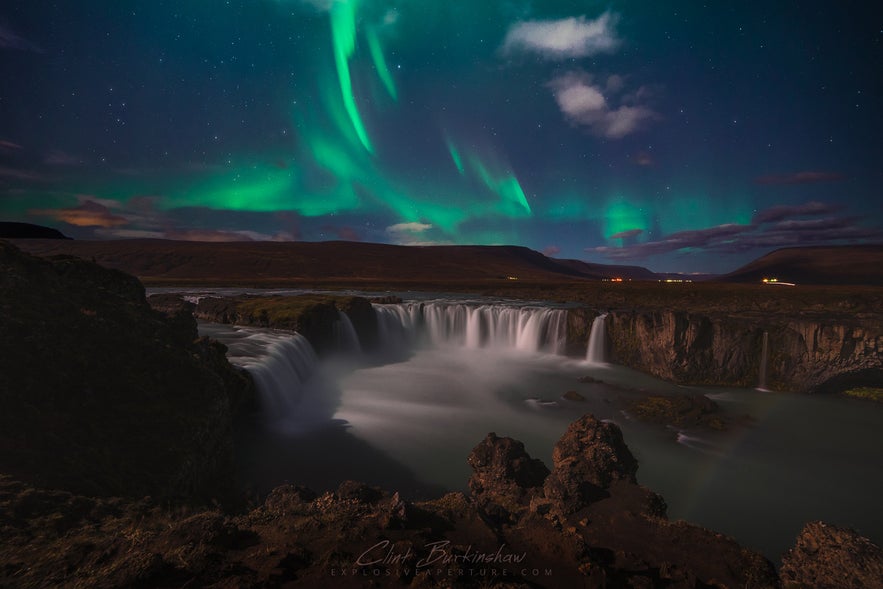
The Art of Photography: Techniques to Capture Stunning Images
Photography is not just about pressing a button; it's an art that combines technical skill with creative vision. To truly master the art of photography, one should focus on understanding the fundamental techniques that elevate a photo from mediocre to stunning. Here are some essential techniques to help you capture breathtaking images:
- Composition: The rule of thirds, leading lines, and framing are essential compositional techniques that guide the viewer's eye and create a balanced photograph.
- Lighting: Natural light can dramatically alter the mood of your images. Experiment with golden hour lighting for soft, warm tones or explore the dramatic contrasts of low light photography.
Moreover, mastering your camera settings is key to unlocking its potential. Familiarize yourself with ISO, aperture, and shutter speed to control exposure and achieve the desired effect in your images. For instance, a wider aperture (lower f-stop number) allows more light to hit the sensor, producing a beautiful bokeh effect that isolates your subject against a soft background. Practice these techniques regularly and don’t shy away from experimentation; photography is as much about taking risks as it is about mastering the basics.
Exploring the Evolution of Photography: From Film to Digital
The journey of photography has undergone a remarkable transformation since its inception in the early 19th century. Initially dominated by film photography, this art form relied on the intricate chemical processes of capturing light on sensitive materials. Early photographers had to master techniques such as exposure time, developing, and printing, which required both skill and patience. As technology progressed, innovations like color film and automatic exposure made photography accessible to a broader audience, paving the way for amateurs and professionals alike to explore their creativity.
With the advent of the digital photography revolution in the late 20th century, the landscape changed dramatically. Digital cameras offered instant gratification with the ability to review images immediately, leading to a surge in popularity. Key advancements, such as higher megapixel counts and improved sensors, have enhanced image quality significantly. Today, we see an increasing blend of digital and film techniques, with many photographers embracing both mediums to capture their vision. This evolution not only showcases the technological advancements in the field but also emphasizes the enduring art of photography itself.
What Makes a Great Photograph? Tips for Aspiring Photographers
Capturing a great photograph requires a combination of technical skill, creativity, and an understanding of the subject matter. One of the fundamental aspects to consider is composition. A well-composed image draws the viewer's eye and conveys the intended message. Here are a few composition techniques aspiring photographers should keep in mind:
- Rule of Thirds: Imagine dividing your frame into a 3x3 grid and place key elements along these lines or at their intersections.
- Leading Lines: Use natural lines in the scene to guide the viewer’s eye toward the main subject.
- Framing: Incorporate elements in the foreground to create a “frame” around the subject, adding depth to your photo.
Another crucial element that contributes to a great photograph is lighting. The quality, direction, and color of light can dramatically change the mood and impact of your images. Here are some tips for managing light:
- Golden Hour: Shoot during the early morning or late afternoon when the light is soft and warm.
- Experiment with Shadows: Incorporate shadows for added drama and depth.
- Understand Exposure: Learn to balance aperture, shutter speed, and ISO settings to achieve the desired exposure for your shots.